
Why Clean Laboratories and Veterinary Surgeries Are Essential for Safety, Confidence and Compliance
Cleanliness is not just about appearances in a laboratory or veterinary surgery. It is a fundamental part of infection control, staff safety, animal welfare and professional confidence. In environments where biological materials, clinical samples, animals, medicines and specialist equipment are handled every day, effective cleaning and decontamination help reduce the risk of contamination, cross-infection and disruption to essential work.
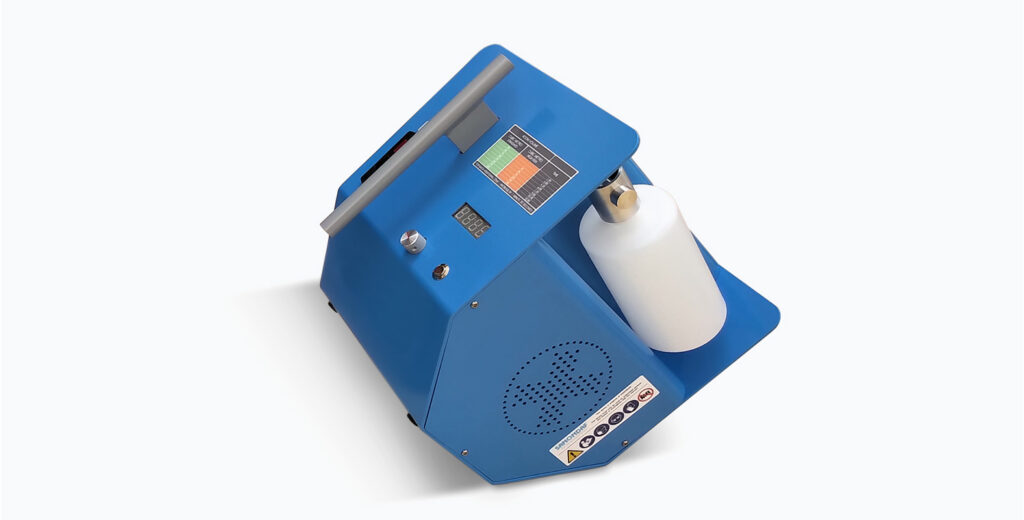
A recent VetTech news release highlighted the launch of a Laboratory Decontamination Service, delivered with partner support. The service includes hydrogen peroxide vapour treatments, which the release states have been clinically tested, and are designed to disinfect to a 6 log kill level. VetTech also states that the process produces no waste, does not require rinsing after application, and can have rooms and equipment back in use within one hour.
Clean environments protect people, animals and research
Laboratories and veterinary surgeries can be high-risk environments because they may involve biological agents, clinical samples, animal handling, contaminated equipment or bodily fluids. The Health and Safety Executive states that deliberate work with biological agents takes place in settings including research, teaching, human diagnostics, veterinary diagnostics and pharmaceutical production. It also states that COSHH requires control measures for laboratories, animal rooms and industrial processes to help prevent biological agents being transmitted to workers or released outside containment facilities.
In veterinary practice, infection control is equally important. The Royal College of Veterinary Surgeons has stated that updated Practice Standards Scheme requirements include risk-based deep cleaning and the minimisation of cross-infection at all accreditation levels.
Routine cleaning and deep decontamination both matter
Day-to-day cleaning helps maintain a safe working environment, but some situations call for a higher level of decontamination. This may include commissioning or decommissioning a lab space, servicing or decontaminating safety cabinets, responding to spills or incidents, changing product or origin, or carrying out a monthly or annual deep clean. These are all listed in VetTech’s service information.
VetTech states that its service can be used for a wide range of spaces and equipment, including biological safety cabinets, cleanrooms, cold rooms, centrifuges, CO₂ incubators, freeze dryers, fridges, freezers, HVAC systems, production lines, and Class 2 and 3 laboratories or isolators.
Cleaning needs to be systematic
Effective cleaning is not simply a matter of wiping down surfaces. It should be planned, recorded and carried out consistently. The CDC’s environmental cleaning guidance states that cleaning procedures should be based on the risk of pathogen transmission, including the probability of contamination, vulnerability of patients and potential for exposure through high-touch or low-touch surfaces. It also recommends cleaning schedules that identify the person responsible, frequency, method, product, process and detailed SOPs.
For veterinary surgeries and laboratories, this means paying attention to treatment areas, preparation rooms, benches, cages, handles, equipment, storage areas and shared workspaces. High-touch and high-risk areas should be cleaned more frequently and thoroughly than lower-risk areas.
Clean spaces support confidence and professionalism
A well-maintained clinical or laboratory environment gives staff confidence that they are working safely. It also supports clients, visitors, inspectors and research partners by showing that the organisation takes hygiene, safety and quality seriously.
In veterinary practices, cleanliness helps reassure pet owners that their animals are being cared for in a controlled and professional environment. In laboratories, it helps protect samples, equipment, research integrity and staff wellbeing.
A practical investment in safer working
Professional decontamination should not be seen as a last resort. Used alongside daily cleaning, good hygiene protocols, staff training and appropriate PPE, it can form part of a robust infection control strategy.
Whether a facility is handling animal patients, research samples, specialist equipment or high-value production processes, cleanliness is central to safe and reliable work. VetTech’s new Laboratory Decontamination Service offers an additional option for organisations that need a thorough, efficient and practical approach to keeping their working environments clean, safe and ready for use.
For more information about VetTech’s Laboratory Decontamination Service.
Contact VetTech on +44 (0)1260 274 333 or email info@vet-tech.co.uk.